

Ogcocephalidae

Caribbean Batfish
Halieutichthys caribbaeus
FISH SPECIES
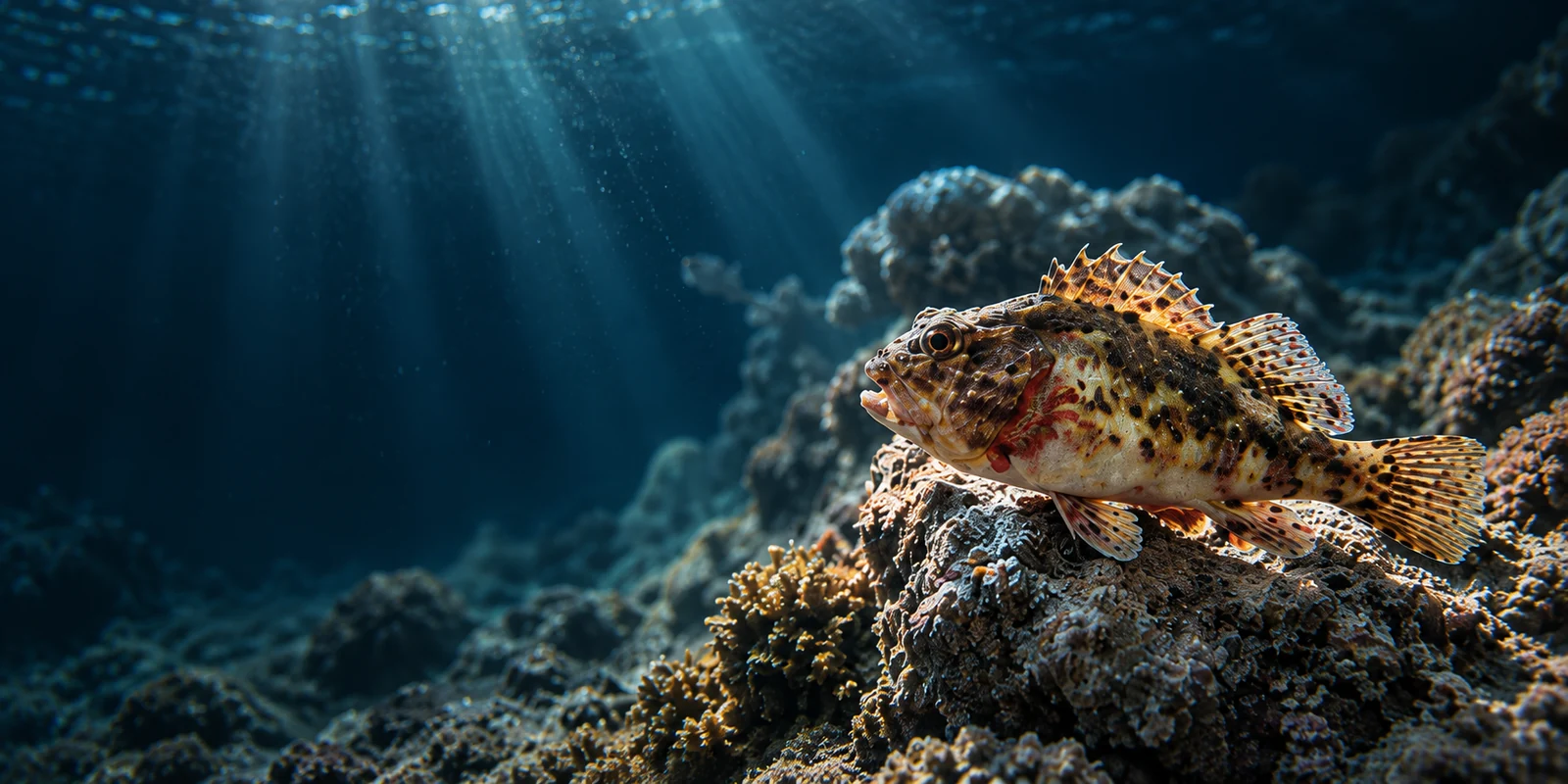
Saltwater fish, also called marine fish, live in seas and oceans. They range from small reef residents to fast open-ocean swimmers and species that stay close to the seabed.
01 / NATURAL HISTORY
Marine fish regulate water and salts in a very different environment from freshwater fish. Body form often reflects where they live: streamlined swimmers cross open water, while compressed or camouflaged species maneuver around complex habitats.
02 / LIFESTYLE
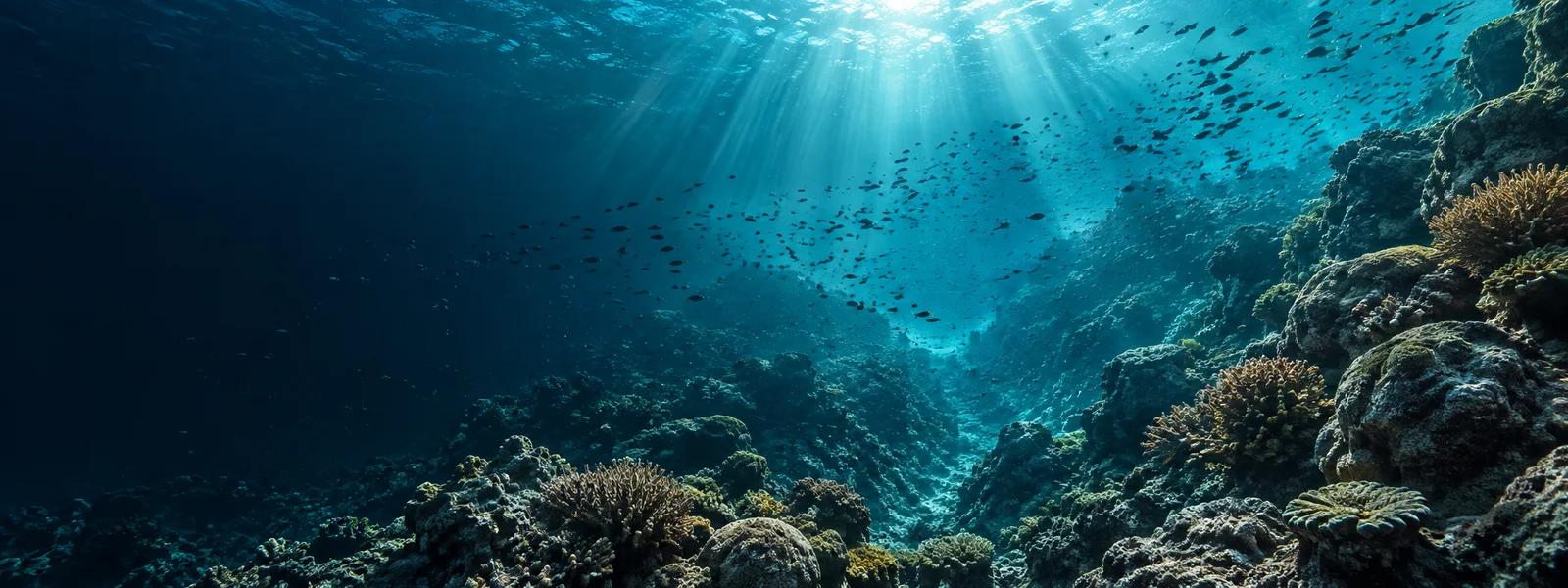
Marine fish occupy a vast, three-dimensional environment with shifting currents, light gradients and depths. Open-water pelagic species often school to travel efficiently and confuse predators, while reef residents navigate complex crevices between foraging patches. Along the coast and continental shelves, tidal cycles and changing sunlight dictate daily peaks of activity and shelter seeking.
OBSERVATION INDEX
03 / SPECIES
Discover representative species illustrating the ecological diversity, morphologies and adaptations of this group.
Ogcocephalidae
Halieutichthys caribbaeus
Chaenopsidae

Emblemaria caldwelli
Sphyrnidae

Sphyrna alleni
Chaenopsidae

Emblemariopsis carib
Myxinidae

Myxine mcmillanae
Carangidae

Selene brownii
Heterenchelyidae

Pythonichthys sanguineus
Gobiidae

Elacatinus lobeli
Syngnathidae

Syngnathus caribbaeus
Bramidae

Brama caribbea
Oxynotidae

Oxynotus caribbaeus
Triglidae

Bellator ribeiroi
Cynoglossidae

Symphurus oculellus
Sciaenidae

Stellifer macallisteri
Cynoglossidae

Symphurus arawak
Cynoglossidae

Symphurus caribbeanus
Pomacentridae

Neoglyphidodon carlsoni
Tripterygiidae

Axoclinus storeyae
Tripterygiidae

Enneanectes carminalis
Phycidae

Urophycis earllii
Sphyrnidae

Sphyrna gilberti
Rajidae

Neoraja carolinensis
Gobiidae

Pleurosicya carolinensis
Plesiopidae

Fraudella carassiops
04 / FIELD NOTES

Yes. Because surrounding seawater is saltier than their internal fluids, marine bony fish constantly lose water by osmosis, requiring them to drink seawater continuously and pump excess salts out via gill cells.
No. Coral reefs represent only a fraction of marine environments; the vast majority of marine species inhabit open pelagic waters, continental shelves, or the deep ocean floor.
Yes. Euryhaline and migratory species like salmon, bull sharks and European eels actively adjust their osmotic regulation between fresh and marine waters.