

Dichistiidae

Banded galjoen
Dichistius multifasciatus
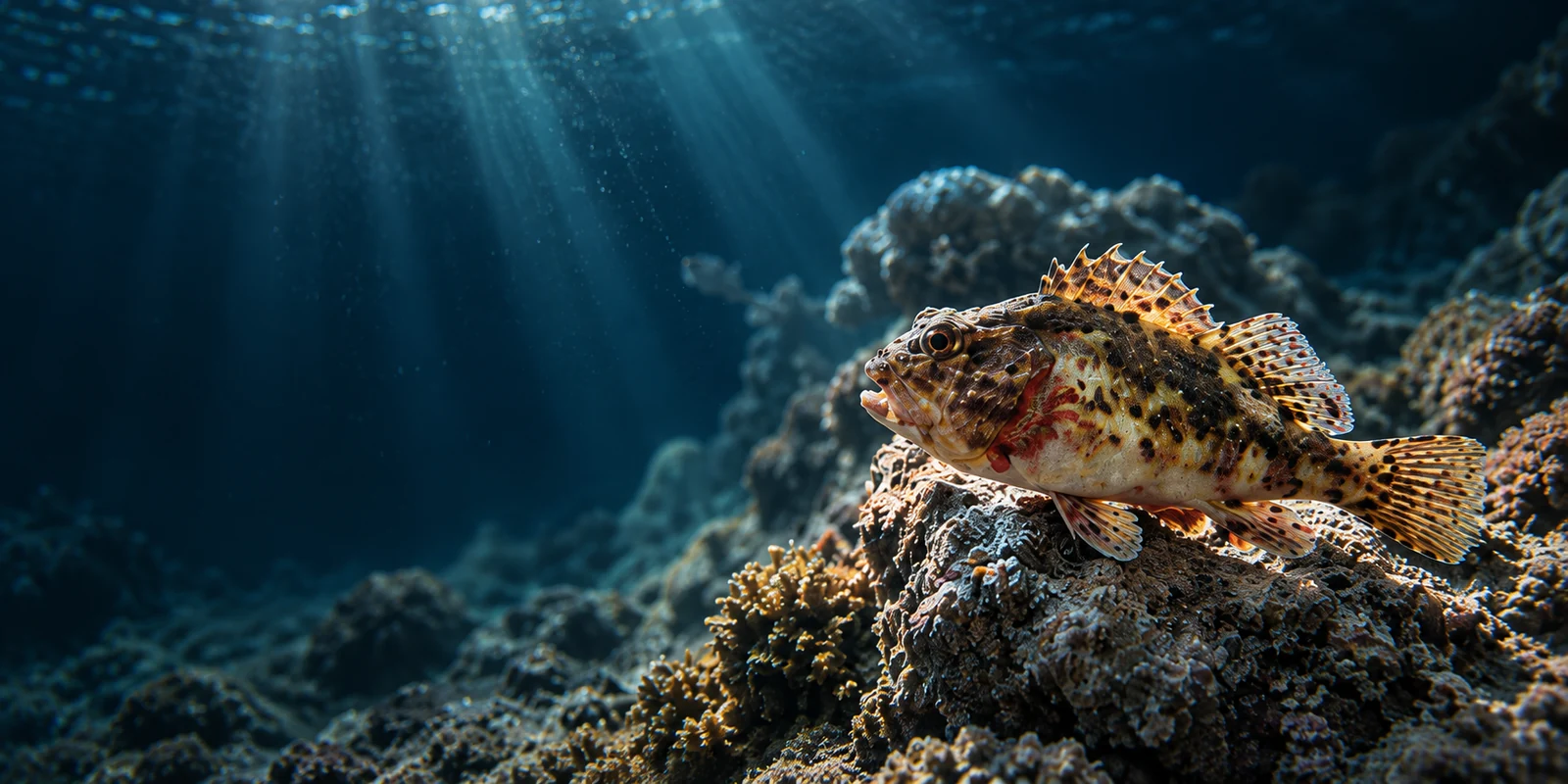
FISH SPECIES
Saltwater fish, also called marine fish, live in seas and oceans. They range from small reef residents to fast open-ocean swimmers and species that stay close to the seabed.
01 / NATURAL HISTORY
Marine fish regulate water and salts in a very different environment from freshwater fish. Body form often reflects where they live: streamlined swimmers cross open water, while compressed or camouflaged species maneuver around complex habitats.

02 / LIFESTYLE
Marine fish occupy a vast, three-dimensional environment with shifting currents, light gradients and depths. Open-water pelagic species often school to travel efficiently and confuse predators, while reef residents navigate complex crevices between foraging patches. Along the coast and continental shelves, tidal cycles and changing sunlight dictate daily peaks of activity and shelter seeking.
OBSERVATION INDEX
03 / SPECIES
Discover representative species illustrating the ecological diversity, morphologies and adaptations of this group.
Dichistiidae
Dichistius multifasciatus
Epinephelidae

Epinephelus amblycephalus
Epinephelidae

Epinephelus awoara
Pinguipedidae

Parapercis striolata
Haemulidae

Pomadasys furcatus
Trygonorrhinidae

Zapteryx exasperata
Pholidae

Pholis fasciata
Sebastidae

Sebastes zonatus
Opistognathidae

Opistognathus macrognathus
Cheilodactylidae

Chirodactylus spectabilis
Muraenidae

Gymnothorax chlamydatus
Pomacentridae

Parma polylepis
Syngnathidae

Corythoichthys intestinalis
Syngnathidae

Dunckerocampus dactyliophorus
Syngnathidae

Micrognathus crinitus
Carangidae

Seriola zonata
Scyliorhinidae

Atelomycterus fasciatus
Sparidae

Diplodus fasciatus
Anthiadidae

Hypoplectrodes nigroruber
Pomacentridae

Abudefduf septemfasciatus
Soleidae

Microchirus wittei
Dactyloscopidae

Heteristius cinctus
Uranoscopidae
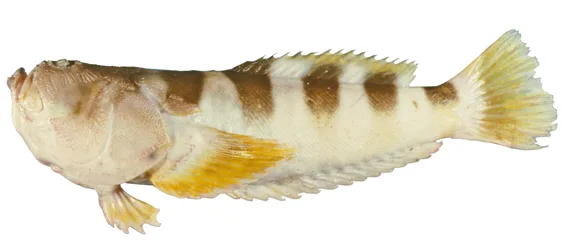
Ichthyscopus fasciatus
Scorpididae

Scorpis georgiana
04 / FIELD NOTES

Yes. Because surrounding seawater is saltier than their internal fluids, marine bony fish constantly lose water by osmosis, requiring them to drink seawater continuously and pump excess salts out via gill cells.
No. Coral reefs represent only a fraction of marine environments; the vast majority of marine species inhabit open pelagic waters, continental shelves, or the deep ocean floor.
Yes. Euryhaline and migratory species like salmon, bull sharks and European eels actively adjust their osmotic regulation between fresh and marine waters.