

Channichthyidae

Long-fingered icefish
Pagetodes antarcticus
FISH SPECIES
Saltwater tells you where a fish may live, but it says little about the space it actually uses. A sheltered estuary, a shallow coral reef, the open water above a continental shelf and the deep seafloor differ in light, movement, food and shelter. NOAA describes essential fish habitat in terms of the places needed for feeding, growth and reproduction. Those functions are more useful than treating all marine records as one ecological category.
01 / NATURAL HISTORY
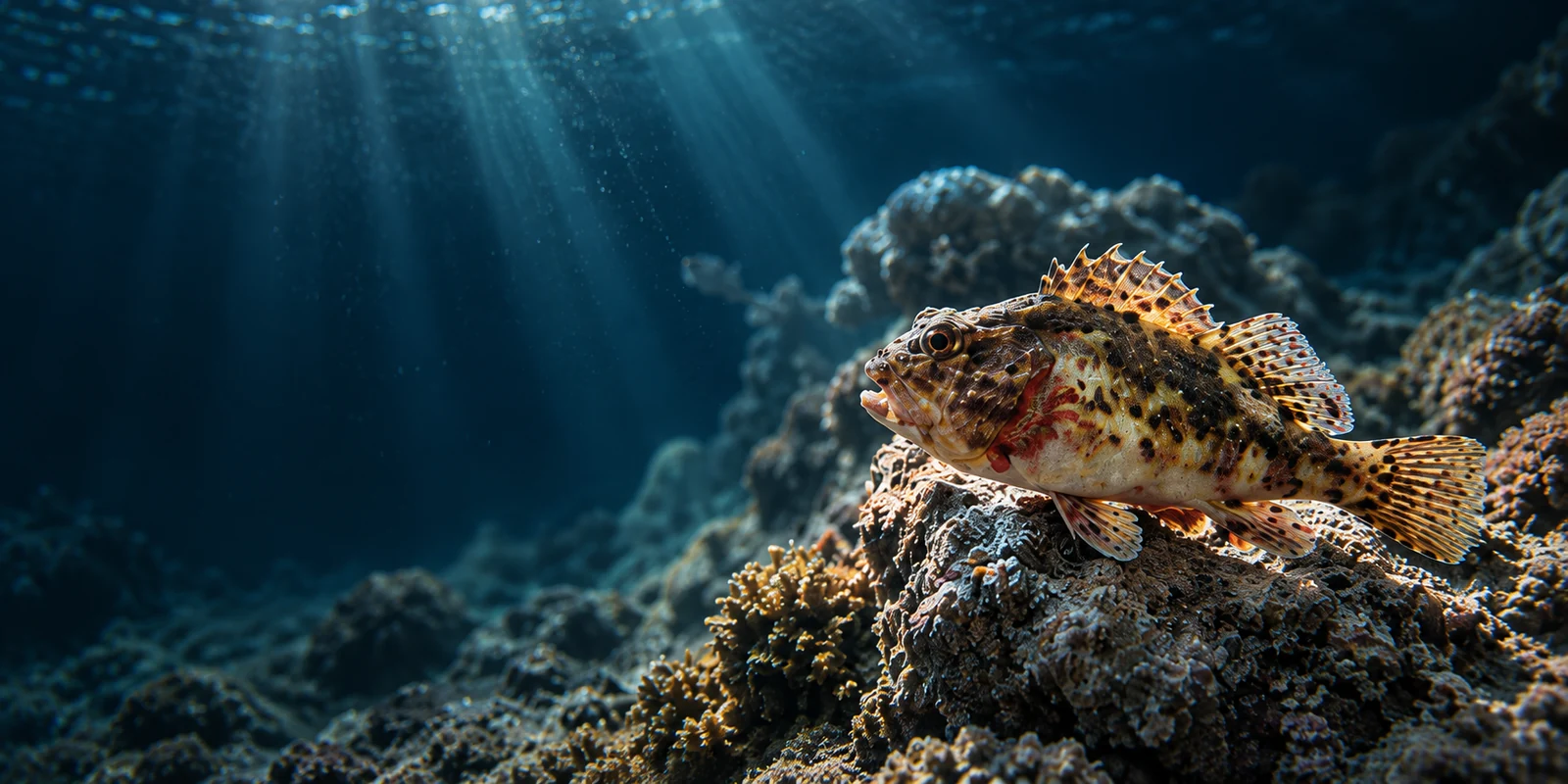
Pelagic means living in the water column; benthic refers to a relationship with the bottom. These are positions, not family names. A fish may forage above the bottom and rest beside it, while another crosses open water far from shore. The depth and substrate reported by an observer therefore matter more than a simple sea icon. Current, suspended food and hiding places also change across a coast or shelf.
02 / LIFESTYLE
Body shape can suggest a way of moving, but it does not identify a fish or prove its ecology. A streamlined body may help sustained swimming; a compressed shape can make maneuvering around structures easier. Similar forms also appear in unrelated lineages. Compare the head, fins and tail together, and check a regional identification source before assigning a scientific name. An illustration is useful for orientation but is not independent evidence of an observation.
OBSERVATION INDEX
03 / SPECIES
Discover representative species illustrating the ecological diversity, morphologies and adaptations of this group.
Channichthyidae
Pagetodes antarcticus
Gempylidae

Rexea antefurcata
Gobiidae

Valenciennea longipinnis
Triglidae

Chelidonichthys obscurus
Triglidae

Lepidotrigla argus
Dinolestidae

Dinolestes lewini
Creediidae

Limnichthys polyactis
Ophichthidae

Scolecenchelys breviceps
Polynemidae

Polydactylus longipes
Triglidae

Prionotus teaguei
Nemipteridae

Parascolopsis tanyactis
Trichonotidae

Trichonotus elegans
Gobiidae

Eviota longirostris
Neosebastidae

Neosebastes longirostris
Syngnathidae

Stigmatopora macropterygia
Cynoglossidae

Paraplagusia longirostris
Gobiidae

Trimma filamentosum
Gobiidae

Trimma longispinum
Callionymidae

Callionymus neptunius
Triacanthidae

Tripodichthys blochii
Liparidae

Paraliparis ruficometes
Microdesmidae

Microdesmus intermedius
Labridae

Cirrhilabrus lanceolatus
Stomiidae

Leptostomias macronema
04 / FIELD NOTES

No. These are available published records with images, not an exhaustive inventory or a measure of abundance.
Follow the scientific name and source, check the scope of the evidence, and send a correction with the exact claim if needed.