

Cetopsidae

Whale Catfish
Cetopsidium orientale
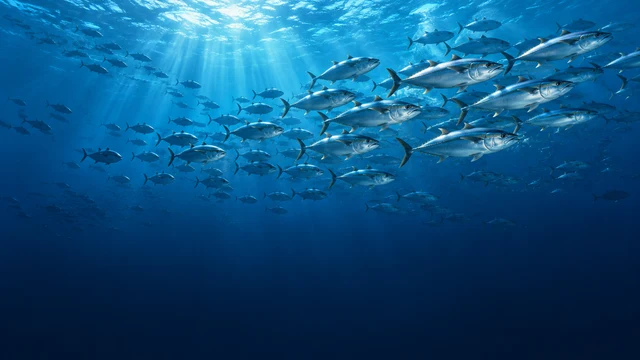
FISH SPECIES
An elongated silhouette is easy to recognize and hard to classify. True eels, some catfish and many unrelated fishes can appear long in a photograph. The length of the body relative to its depth is an observation, not a family name. Look first at the head, fin positions and whether a visible tail fin is separate from the fins along the back and belly. Record what the image does not show before moving from a shape description to an identification.
01 / NATURAL HISTORY
A fish facing the camera may seem short and thick even when its side profile is slender. A curved fish can look shorter than one stretched in a straight line. Photograph angle and lens distortion matter as much as body color in a quick visual search. Record whether the fish is photographed side-on, from above or in a bend. If a length claim is important, look for a measured specimen and a definition of the measurement rather than estimating it from pixels.
02 / LIFESTYLE
A long body may move through a crevice, across open water or near a river bed. The shape makes those possibilities worth investigating, but the photograph alone does not establish a particular swimming mode. Smithsonian Ocean discusses how fish forms relate to function; that is an invitation to compare anatomy with observed behavior. Check video or species research when describing movement, and avoid inferring that every elongated fish burrows or behaves like a moray.
OBSERVATION INDEX
03 / SPECIES
Discover representative species illustrating the ecological diversity, morphologies and adaptations of this group.
Cetopsidae
Cetopsidium orientale
Cetopsidae

Cetopsidium pemon
Rhincodontidae

Rhincodon typus
Echeneidae

Remora australis
Gobiidae

Bryaninops yongei
Ophichthidae

Bascanichthys scuticaris
Harpagiferidae

Pogonophryne stewarti
Nettastomatidae

Venefica proboscidea
Merlucciidae

Macruronus novaezelandiae
Loricariidae

Rineloricaria misionera
Congridae

Rhynchoconger gracilior
Carapidae

Hypopleuron caninum
Trachipteridae

Desmodema lorum
Dinematichthyidae

Alionematichthys piger
Tripterygiidae

Enneapterygius etheostoma
Paralepididae

Arctozenus risso
Ailiidae

Laides longibarbis
Pentanchidae

Apristurus aphyodes
Cobitidae

Koreocobitis rotundicaudata
Microstomatidae

Nansenia candida
Tripterygiidae

Enneapterygius leucopunctatus
Acipenseridae

Acipenser transmontanus
Echeneidae

Remora albescens
Gobiidae

Cryptocentrus albidorsus
04 / FIELD NOTES

No. These are available published records with images, not an exhaustive inventory or a measure of abundance.
Follow the scientific name and source, check the scope of the evidence, and send a correction with the exact claim if needed.