

Serrasalmidae

Cardinal Pacu
Myloplus tumukumak
FISH SPECIES
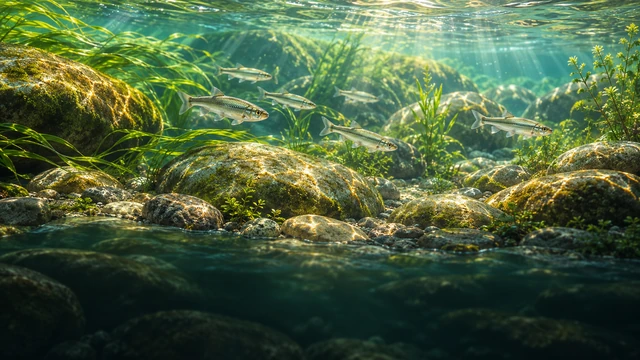
Freshwater fish spend all or part of their lives in rivers, lakes, streams and wetlands. The label describes an environment, not one branch of the fish family tree, so freshwater species include many unrelated shapes and lineages.
01 / NATURAL HISTORY
Freshwater habitats contain far less salt than seawater and can change quickly with seasons, floods and drought. Fish living there use many different strategies, from streamlined bodies for current to barbels that help find food near the bottom.
02 / LIFESTYLE
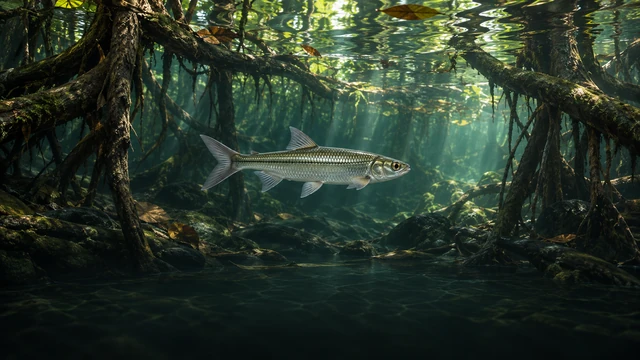
Life in freshwater follows the movement of water and food. Some fish hold position in a current and intercept drifting prey; others search plants or sediment for a meal. Changes in flow and water level can open feeding grounds or trigger movements toward spawning areas. These behaviors reflect how fish balance hydrodynamic energy expenditure against food intake.
OBSERVATION INDEX
03 / SPECIES
Discover representative species illustrating the ecological diversity, morphologies and adaptations of this group.
Serrasalmidae
Myloplus tumukumak
Cyprinidae

Luxilus cardinalis
Acestrorhamphidae

Paracheirodon axelrodi
Poeciliidae

Brachyrhaphis roseni
Acestrorhamphidae

Oligosarcus pintoi
Nemacheilidae

Oxynoemacheilus germencicus
Perciliidae

Percilia gillissi
Cyprinidae

Notropis percobromus
Cyprinidae
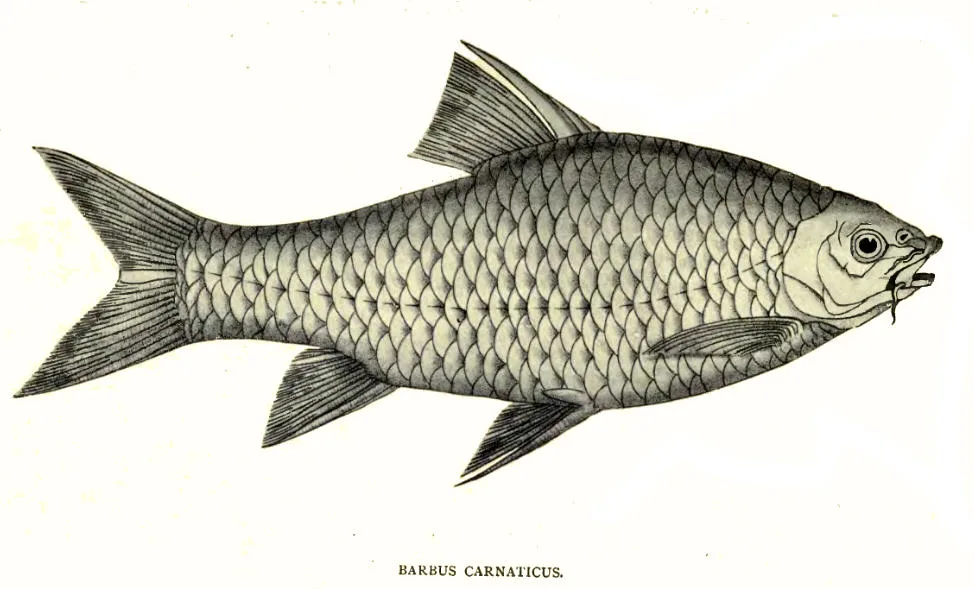
Barbodes carnaticus
Poeciliidae

Cnesterodon carnegiei
Percidae

Etheostoma collis
Percidae

Etheostoma brevispinum
Ictaluridae

Noturus furiosus
Elassomatidae

Elassoma boehlkei
Cyprinidae

Enteromius bigornei
Cyprinidae

Enteromius liberiensis
Cyprinidae

Labeobarbus parawaldroni
Curimatidae
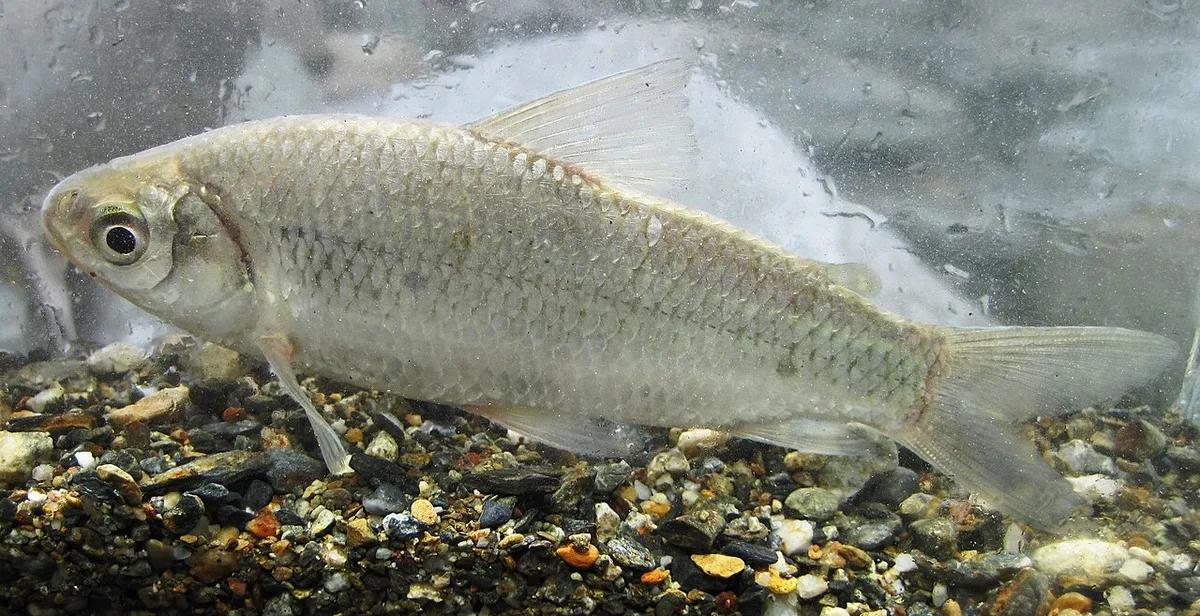
Cyphocharax magdalenae
Cyprinidae

Barbus carpathicus
Petromyzontidae

Eudontomyzon danfordi
Gobionidae

Gobio carpathicus
Salmonidae

Salmo carpio
Parodontidae

Parodon carrikeri
Characidae

Tetragonopterus carvalhoi
04 / FIELD NOTES

It is recorded from inland waters with low salinity for all or part of its life cycle.
No. Freshwater is a habitat category that includes many separate evolutionary groups.
Most cannot; without physiological adaptations to excrete excess salt, their cells rapidly lose water through osmosis and dehydrate in hypertonic seawater.