

Percichthyidae

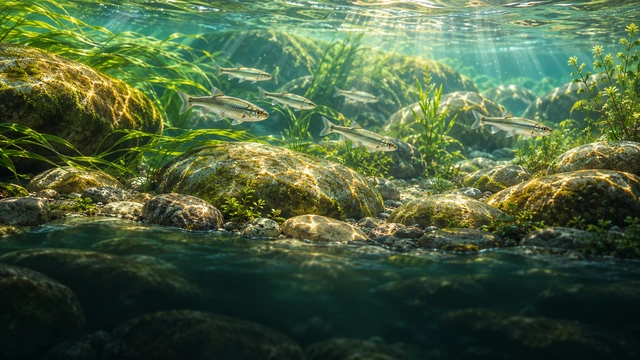
Western pygmy perch
Nannoperca vittata
FISH SPECIES
A freshwater label tells you that a fish has been recorded in water with relatively little salt. It does not tell you whether the animal lives in a cold headwater, a slow floodplain channel, a deep lake or a tidal reach that changes through the day. Those places differ in flow, shelter, temperature and access to food. Begin with the named species and the particular place, then ask which part of its life the record describes.
01 / NATURAL HISTORY
A watershed gathers water from smaller tributaries into larger channels. Its apparent continuity on a map does not guarantee that a fish can move freely along it. Waterfalls can form natural boundaries; culverts, weirs and dams can create human-made ones. The US Geological Survey describes how poorly designed stream crossings can obstruct access to feeding areas, seasonal refuge and spawning habitat. A barrier can affect daily movement as well as a long migration.
02 / LIFESTYLE
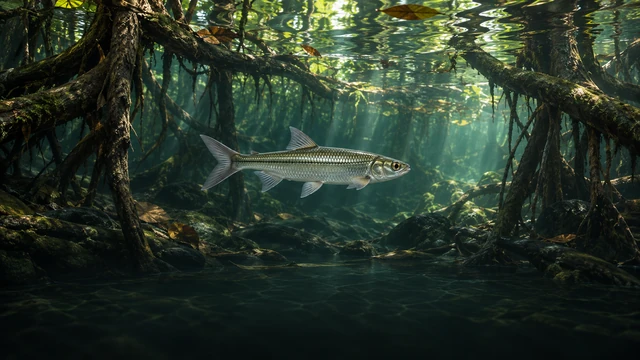
Current, substrate and shelter give a more informative description than the single word freshwater. Fast flowing reaches may offer different feeding surfaces and hiding places from a quiet lake edge. During high water, a connected floodplain can add temporary habitat; during low water, access may contract. The useful question is which conditions a cited observation actually reports, and at which season or life stage.
OBSERVATION INDEX
03 / SPECIES
Discover representative species illustrating the ecological diversity, morphologies and adaptations of this group.
Percichthyidae
Nannoperca vittata
Melanotaeniidae
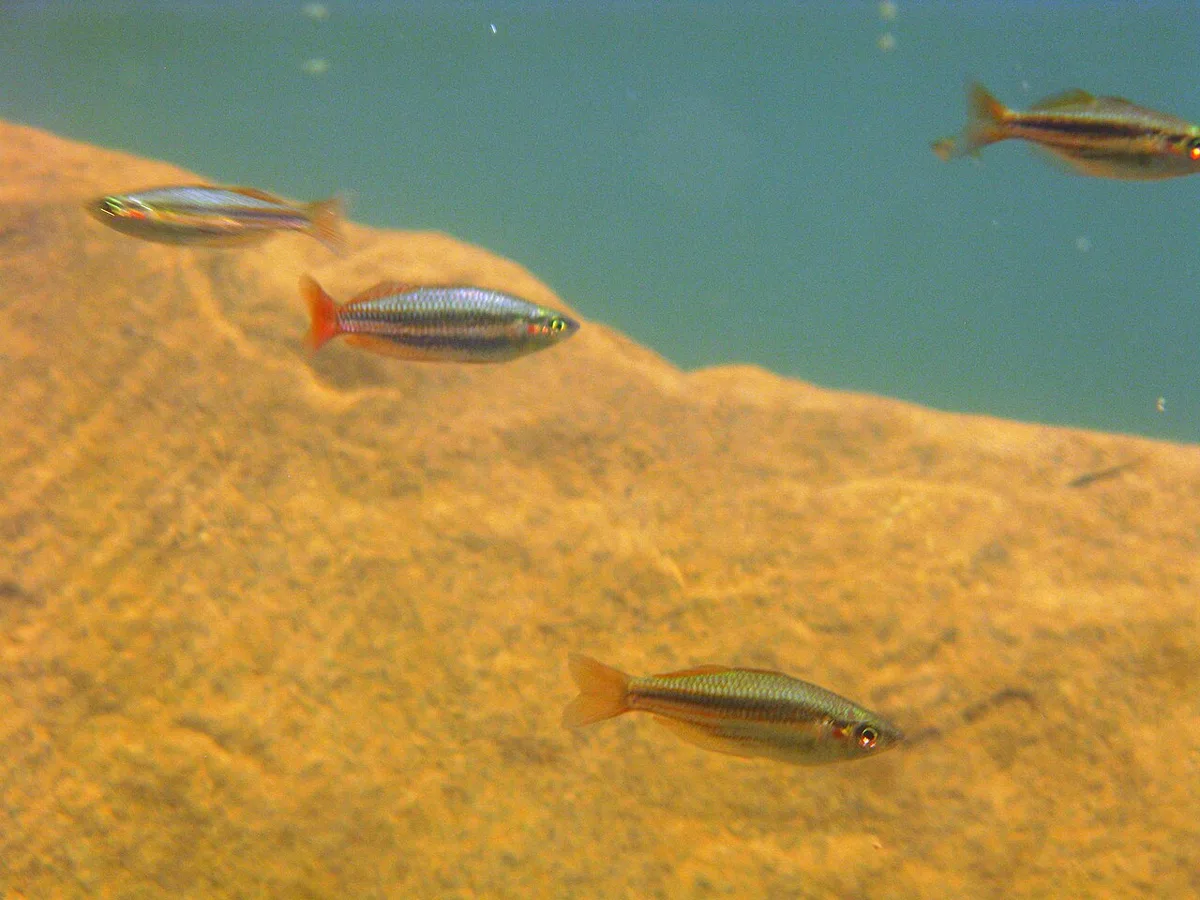
Melanotaenia australis
Cyprinidae

Achondrostoma occidentale
Percidae

Ammocrypta clara
Cyprinidae

Hybognathus argyritis
Terapontidae

Hephaestus jenkinsi
Fundulidae

Fundulus blairae
Plotosidae

Tandanus tropicanus
Siluridae

Ompok argestes
Cetopsidae

Cetopsis orinoco
Cetopsidae

Cetopsidium minutum
Cetopsidae

Cetopsidium orientale
Cetopsidae

Cetopsidium pemon
Cetopsidae

Cetopsis oliveirai
Cetopsidae

Cetopsis parma
Cetopsidae
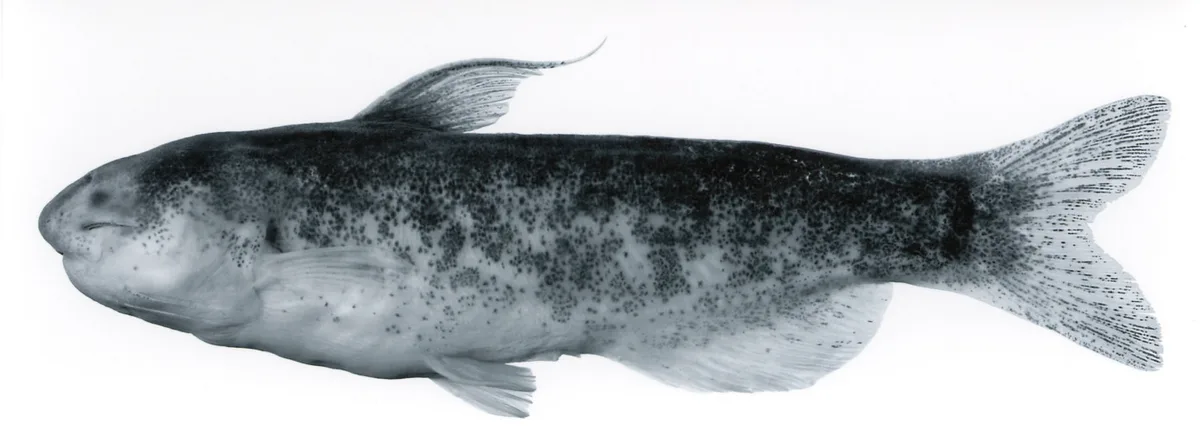
Cetopsis sandrae
Cetopsidae

Denticetopsis iwokrama
Cetopsidae

Denticetopsis seducta
Cetopsidae

Cetopsis gobioides
Trichomycteridae

Trichomycterus gairaensis
Loricariidae

Dasyloricaria filamentosa
Loricariidae

Farlowella acus
Loricariidae

Rineloricaria magdalenae
Loricariidae

Rineloricaria misionera
04 / FIELD NOTES

No. These are available published records with images, not an exhaustive inventory or a measure of abundance.
Follow the scientific name and source, check the scope of the evidence, and send a correction with the exact claim if needed.