

Mormyridae

Double-nosed Elephant Nose
Campylomormyrus rhynchophorus
FISH SPECIES
Discover fish with recorded distributions in Africa, across inland lakes, ancient river systems and coastal waters.
01 / NATURAL HISTORY
African ichthyofauna is famous for the rapid adaptive radiation of Rift Lake cichlids alongside archaic, relic lineages like lungfish and bichirs. These species demonstrate remarkable evolutionary resilience across dramatic tropical dry and wet cycles.
02 / LIFESTYLE
In the Great Rift Valley lakes (Victoria, Tanganyika, and Malawi), hundreds of cichlid species partition microscopic spatial zones—from rock-scraping mbuna to shell-dwelling dwarfs and scale-eating specialists. In contrast, riverine species navigating the Congo and Nile systems endure massive seasonal water level drops, with some surviving dry periods through aestivation or facultative air-breathing.
OBSERVATION INDEX
03 / SPECIES
Discover representative species illustrating the ecological diversity, morphologies and adaptations of this group.
Mormyridae
Campylomormyrus rhynchophorus
Cynoglossidae

Symphurus ocellatus
Acanthuridae

Acanthurus tennentii
Sparidae

Acanthopagrus bifasciatus
Pomacentridae

Chromis opercularis
Mullidae
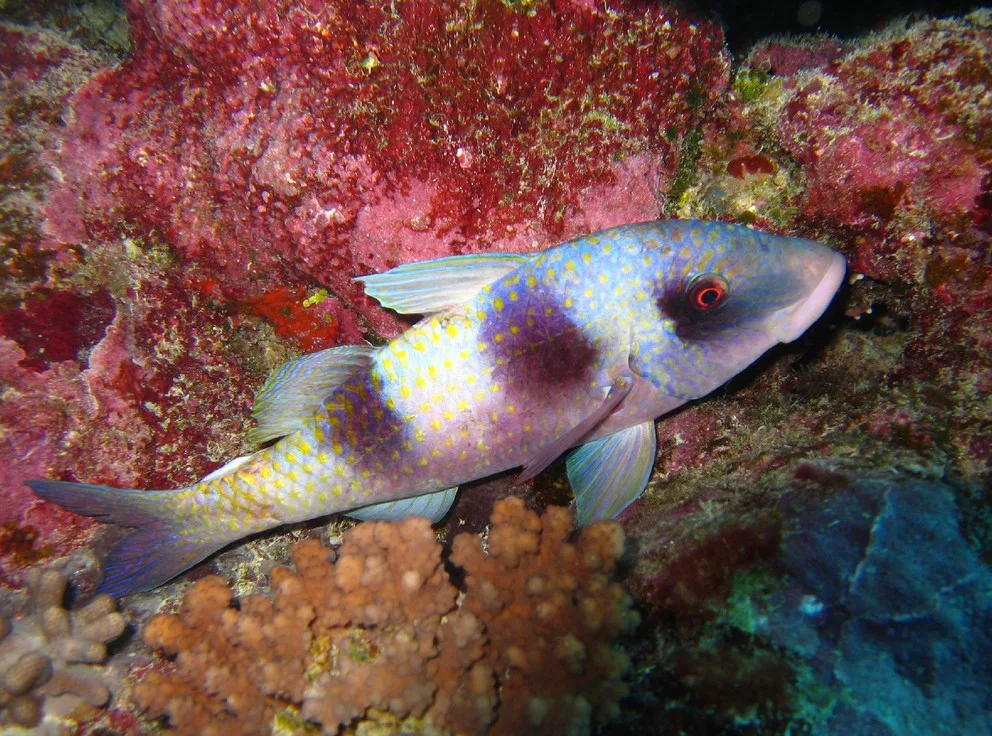
Parupeneus trifasciatus
Gobiidae

Callogobius bifasciatus
Cynoglossidae
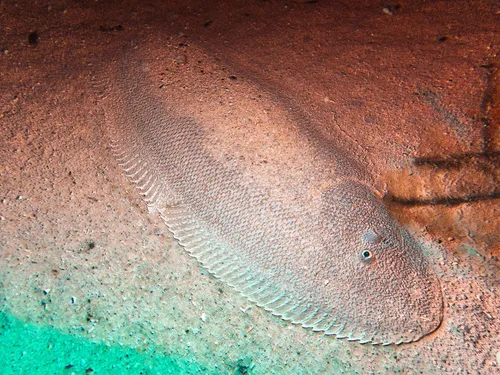
Paraplagusia bilineata
Chaetodontidae

Chaetodon marleyi
Carangidae

Scomberoides lysan
Macrouridae

Gadomus arcuatus
Salmonidae

Salmo multipunctatus
Muraenidae

Gymnothorax monochrous
Cynoglossidae
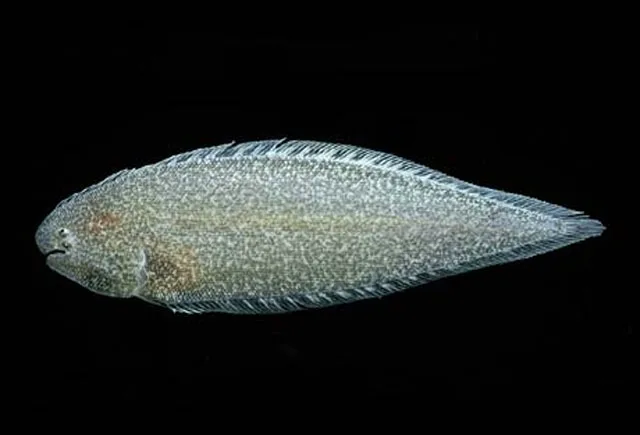
Symphurus melanurus
Gobiidae

Stonogobiops dracula
Callionymidae

Callionymus lyra
Nothobranchiidae

Epiplatys duboisi
Nettastomatidae

Nettastoma parviceps
Epinephelidae

Epinephelus goreensis
Gobiidae

Mugilogobius durbanensis
Pempheridae

Pempheris eatoni
Cynoglossidae

Cynoglossus durbanensis
Pomacanthidae

Centropyge multispinis
Ophidiidae

Luciobrotula bartschi
04 / FIELD NOTES

The Great Lakes of East Africa witnessed explosive evolutionary radiations where a few ancestral species diverged into hundreds of ecologically specialized species in remarkably short geologic time spans.
Certain species, like the African lungfish, can burrow into muddy riverbeds and secrete a protective mucous cocoon to aestivate for months until rains restore the waterway.